
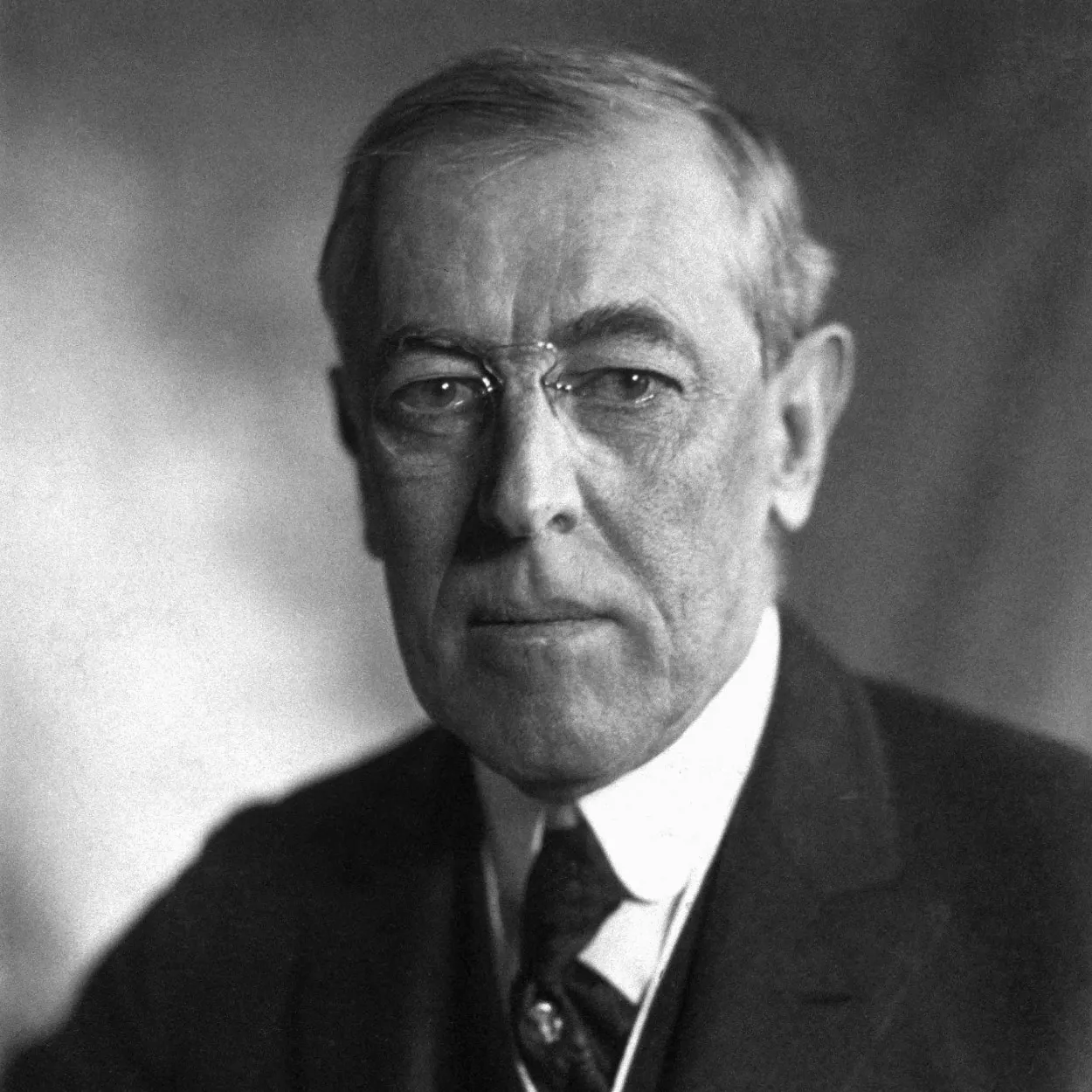
“The League of Nations is the greatest hope for peace the world has ever known.” — Woodrow Wilson
What was the League of Nations?
The League of Nations was created after World War I with the hope that it would prevent future conflicts. It brought countries together to discuss problems and resolve them peacefully. However, despite its noble intentions, it faced many challenges that eventually led to its failure
Why Didn't the League of Nations Work?
The League had no military force to enforce its decisions, which made it difficult to stop aggressive actions by countries like Japan, Germany, and Italy. Additionally, some of the biggest world powers, like the United States, did not join, weakening the League’s ability to keep peace
Learn More About the League of Nations
Introduction to the League of Nations: A Big Dream for Peace
Imagine this: after the chaos of the First World War, countries sat down to think, “How can we make sure this never happens again?” They dreamed of a world where nations talked things out instead of fighting. That dream turned into the League of Nations, an international organization aiming to keep the peace and solve problems together.
Although the League didn’t succeed entirely, it laid the groundwork for something even bigger—the United Nations. Let’s dive into the story of this bold idea, what it hoped to achieve, and why it struggled.
How Did the League of Nations Begin?
The Big Idea
It all started with an idea from U.S. President Woodrow Wilson, who envisioned a world where talking replaced war. After witnessing the devastation of World War I, he wanted nations to have a place to discuss their differences and avoid future conflicts.
At the Paris Peace Conference in 1919, this vision came to life. The League of Nations was born with high hopes of creating a peaceful world.
What Did the League Aim to Do?
The League had three main goals:
- Stop Wars – Help countries resolve conflicts peacefully.
- Fix Arguments – Step in when disagreements threatened to get out of hand.
- Improve Lives – Promote global health, better jobs, and safety for people everywhere.
How Was the League Organized?
The League wasn’t just a random group of people; it had a well-planned structure:
- The Assembly: Like a big meeting hall where every country had a say. They met once a year to talk about important global issues.
- The Council: A smaller team that handled emergencies and quick decisions.
- The Secretariat: The “office staff” who worked behind the scenes to keep everything running smoothly.
What Did the League Achieve?
Though it didn’t last forever, the League had its share of victories:
- Solving Disputes: It helped settle arguments, like the peaceful resolution of the Aaland Islands dispute between Sweden and Finland.
- Improving Lives: The League created organizations like the International Labour Organization (ILO) to improve workers’ rights and the Health Organization to fight diseases.
- Helping New Countries: It managed territories left after the collapse of empires, helping them transition toward independence.
- Building a Foundation: It laid the groundwork for global rules and laws, some of which influenced the creation of the United Nations.
Why Didn’t the League Succeed?
Despite its great intentions, the League had some big challenges:
- No Army: The League had no soldiers to enforce its decisions, so countries could easily ignore it.
- Major Players Missing: The United States never joined, and countries like Germany and Japan left, weakening the League’s power.
- Failed to Stop Aggression: When Japan invaded Manchuria or Italy attacked Ethiopia, the League couldn’t take strong action.
- Economic Troubles: During the Great Depression, nations focused on their own problems and ignored global issues.
- Slow Decisions: Every decision needed agreement from all members, which made quick action nearly impossible.
A Lesson for the Future
The League of Nations might not have been perfect, but it taught the world valuable lessons about cooperation. Its efforts inspired the creation of the United Nations (UN) in 1945, which continues to work for peace and dialogue between nations today.
Think About It!
Here are some questions to spark your imagination:
- What do you think would have happened if the League had an army?
- Why do you think some countries chose not to join or left the League?
- How do you think the League’s work influenced the creation of the UN?
For the Curious Minds
Older students can dive deeper:
- Research the Aaland Islands dispute or the League’s response to the Manchurian Crisis. What were the outcomes?
- Compare the League’s structure to the United Nations today. What’s similar, and what’s different?
Conclusion: A Dream That Lives On
The League of Nations was a bold step toward global peace, even if it didn’t fully succeed. It showed the importance of dialogue and cooperation, paving the way for the United Nations—a stronger and more effective organization.
So next time you hear about international peace talks or the United Nations, remember that it all began with a dream—a dream called the League of Nations.
Member Nations at its peak
Years of Existence
Timeline of the League of Naitons
1915
Formation of the League to Enforce Peace in the U.S., led by William Howard Taft, advocating for a system to prevent wars
January 25, 1919
Agreement to form the League of Nations during the Paris Peace Conference, driven by President Woodrow Wilson’s vision
June 28, 1919
The Covenant of the League of Nations was signed as part of the Treaty of Versailles, officially establishing the League
January 16, 1920
The League of Nations held its first meeting in Geneva, Switzerland, marking the start of its operations
1920-1926
The League mediated several disputes, including:
- The Vilnius dispute between Poland and Lithuania (1920).
- The Åland Islands conflict between Sweden and Finland (1921).
- The border crisis in Albania (1921).
- The Mosul dispute between Iraq and Turkey (1926
1931
The Mukden Incident highlighted the League’s weaknesses when Japan invaded Manchuria. The League’s inability to enforce decisions led Japan to withdraw from the League
1935
The League faced another setback when it failed to stop Italy’s invasion of Abyssinia, undermining its credibility
April 18, 1946
he League of Nations officially dissolved, transferring its functions to the newly established United Nations
Fun Facts
- The League’s official languages were English and French.
- The League operated out of Geneva, Switzerland, to symbolise neutrality